A symphony of color and symbolism: the story of peony flowers
Posted on 23/08/2025
A Symphony of Color and Symbolism: The Story of Peony Flowers
The peony flower captivates millions with its lush blooms and fragrant allure. Beyond their visual splendor, peonies are woven into the tapestry of cultural, artistic, and symbolic traditions worldwide. Join us as we explore the enchanting symphony of colors, meanings, and fascinating stories behind peony flowers.
The Botanical Beauty of Peonies
Origin and Classification
Peonies belong to the genus Paeonia, the only genus in the family Paeoniaceae. They are native to Asia, Europe, and Western North America. The genus contains about 30-40 species, with a myriad of hybrids and cultivars bred for gardens around the globe.
- Herbaceous peonies: These classic garden plants die back to the ground each autumn and return each spring.
- Tree peonies: Woody-stemmed perennials that do not die back, boasting larger and more dramatic blooms.
- Intersectional or Itoh peonies: Hybrids between herbaceous and tree types, offering unique form and resilience.
The spectacular blooms, often likened to roses for their layered petals, have made peonies an essential subject for botanists and enthusiasts alike.
The Captivating Palette of Peony Colors
One of the most alluring attributes of the peony flower is its diverse color spectrum. Their blooms range from purest white to deepest crimson, including shades of rose, pink, yellow, coral, and purple.
- White peonies: Symbolize purity and innocence, often associated with weddings and new beginnings.
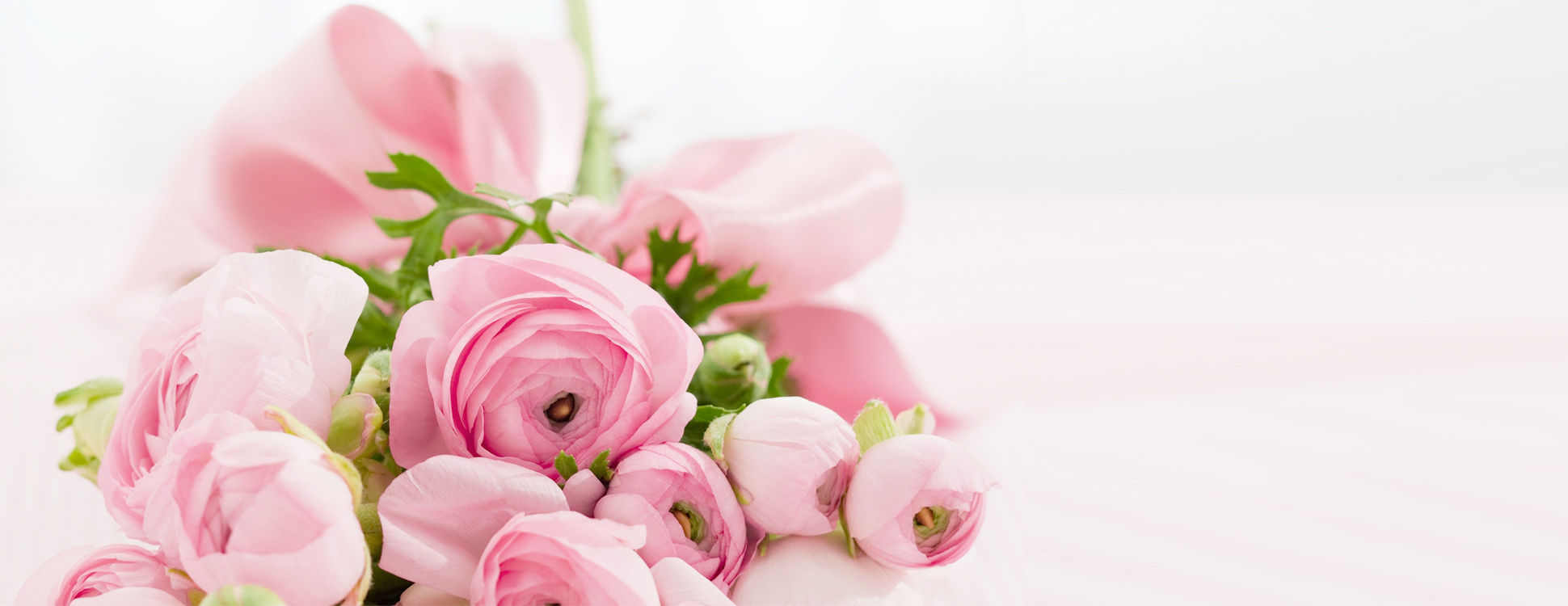
- Pink peonies: Epitomize romance and grace, favored in bouquets for their soft, blushing hues.
- Red peonies: Signify passion, honor, and respect -- brightness for life's celebrations.
- Yellow and gold peonies: Represent prosperity and happiness, rare and prized in the garden.
- Purple peonies: Symbolize enchantment, mystery, and royalty.
This vibrant array presents a symphony of color that delights every gardener and flower lover.
The Rich Symbolism of Peony Blossoms
Peonies in Eastern Culture
In China, the peony is considered the "Queen of Flowers" (??? mudan hua) and has been revered for over a millennium. It is emblematically linked to wealth, honor, and high social status.
- During the Tang Dynasty, peony motifs graced imperial palaces and artworks.
- Peonies often decorate Chinese New Year celebrations, symbolizing renewal and good fortune.
- They feature prominently in traditional Chinese paintings and embroidery, underlining their aesthetic and cultural importance.
In Japan, peonies are known as "King of Flowers" and are often associated with bravery, honor, and good luck. Japanese art depicts peonies in classical woodblock prints, sometimes intertwined with lions and dragons as symbols of protection against evil spirits.
Western Symbolism and Folklore
Throughout Europe and North America, peonies have held diverse meanings over centuries.
- In Victorian floriography, peony flowers symbolized bashfulness--perhaps rooted in myths of nymphs hiding within their petals.
- The Greeks named the flower after Paeon, a physician of the gods, linking the peony to healing.
- In France, peonies are regarded as "the rose without thorns", representing happiness and prosperity.
Today, peonies are universally regarded as emblems of love, romance, and good fortune.
Cultural Impact and Artistic Inspiration
Peonies in Art and Literature
From ancient tapestries and ceramics to modern photography, the exuberance of peony blooms has inspired poets, painters, and designers. In Chinese poetry, the peony is a metaphor for feminine beauty, while Western literature often leverages its lushness to evoke abundance and sensuality.
- Claude Monet and Edouard Manet painted stunning peony arrangements, mesmerizing viewers with their texture and light.
- Early Chinese and Japanese printmakers integrated peony blooms into floral scrolls and kimono designs.
- Contemporary artists around the world continue to celebrate the peony's elegance and layered symbolism.
Many literary works have employed peonies as motifs for prosperity, female allure, and fleeting beauty.
Peonies in Celebrations and Rituals
The story of peonies would not be complete without recognizing their role in modern and historical celebrations:
- Weddings: In many cultures, peony bouquets are cherished for their representation of happy marriages and good luck.
- Festivals: The Luoyang Peony Festival in China and peony festivals in North America draw thousands to behold fields ablaze with color.
- Anniversaries: Peonies are the official flower of the 12th wedding anniversary, symbolizing a strong and passionate union.
The peony's presence in significant life events cements its place as one of the most beloved and meaningful flowers across the globe.
Peony Flowers in Gardens and Medicine
Growing and Caring for Peonies
Gardeners prize peonies for their hardiness, longevity, and the extravagant display they offer each spring and early summer. A well-established peony plant can thrive for up to 100 years, making it a true garden heirloom.
- Sunlight: Peonies prefer full sun, requiring at least 6 hours daily.
- Soil: Well-draining, fertile soil with a neutral to slightly alkaline pH is ideal.
- Spacing: Proper spacing is essential to allow airflow and prevent fungal diseases.
- Support: Since some peony blooms become heavy, staking or supports may be needed.
Once established, peonies require little maintenance. Their ease of care and show-stopping blooms make them a top choice for both novice gardeners and seasoned horticulturists.
The Healing Legacy of Peonies
The use of peony flowers extends beyond ornamental gardens. In Traditional Chinese Medicine, the root of the Paeonia lactiflora (white peony) has been used for centuries to:
- Calm the mind and relieve stress
- Alleviate pain and inflammation
- Regulate menstruation and treat gynecological ailments
Modern research is beginning to substantiate some of these benefits, identifying valuable compounds within peonies that support their traditional use. While not a substitute for medical advice, the peony's significance in healing showcases its versatility.
The Language of Peonies: Deeper Symbolism and Meanings
As we deepen our exploration into the story of peony flowers, it becomes clear that their symbolism is as richly layered as their petals. In the "language of flowers" or floriography, peonies carry nuanced messages based on their color, variety, and context.
- Blushing pink peonies convey feelings of young love, shy affection, and new beginnings--perfect for graduation or engagement gifts.
- Red and burgundy peonies communicate deep passion, respect, and power, suitable for achievement and recognition ceremonies.
- White, cream, and pale yellow peonies symbolize apology, forgiveness, and hope for reconciliation.
- Lavender and purple peonies are rare and embody depth of character, transformation, and a touch of mystique.
The symphony of peony symbolism ensures that there is a peony for every personal sentiment and milestone.
Peony Flowers in the Modern World
Peonies in the Floral Industry
Today, peonies are among the most sought-after blooms for florists and event designers. Their lush, romantic form transforms bouquets, centerpieces, and even luxury installations. Peak peony season, typically late spring to early summer, is eagerly anticipated by flower lovers everywhere.
- Weddings: Peony bouquets remain bestsellers for their beauty and symbolism.
- Fashion: Peony motifs adorn textiles, accessories, and even fragrance packaging.
- Home decor: Fresh and dried peony arrangements bring an air of elegance into any space.
Social media platforms glow pink and red in peony season, with Instagram feeds bursting with #peonylove and #peonysymphony, showcasing just how beloved and influential these flowers remain.
Conservation and Sustainability
With their increasing popularity, the responsible cultivation and sustainable harvesting of wild peonies have become important. Many rare species face threats from habitat loss and over-picking.
- Gardeners and botanists advocate for planting cultivated peony varieties and respecting natural habitats.
- Plant societies and botanical gardens worldwide are preserving heirloom and endangered peony species for future generations.
By valuing the ecological role and genetic diversity of peonies, humanity ensures their enduring presence in the world's gardens and hearts.
Conclusion: The Enduring Magic of Peony Flowers
The story of peony flowers is one of beauty, meaning, and timeless fascination. From their origins in ancient forests to their place of honor in art, culture, and gardens, peonies embody a symphony of color and symbolism unmatched in the floral world.
- Their lush blooms enchant the senses and inspire creatives across generations.
- Their symbolic power brings comfort, hope, joy, and love to countless occasions.
- Their presence in gardens is a living testament to endurance, renewal, and natural splendor.
Whether you grow peonies for their breathtaking beauty, gift them to convey a heartfelt message, or admire them for their cultural significance, these regal flowers invite us all to appreciate the symphony of life's colors and stories.
Peony flowers are not just botanical wonders--they are messengers of history, emotion, and human aspiration. Their petals remind us that in every bloom lies a story, waiting to unfold.
Latest Posts
Lovely Birthday Flowers to Send a Smile
A symphony of color and symbolism: the story of peony flowers
Enhancing the Lifespan of Poinsettias with Ease